Chess Force Armada
Chess for up to four players. Buy your army a piece at a time, fight over every square of ground, and try to stay ahead of a board that's falling apart.
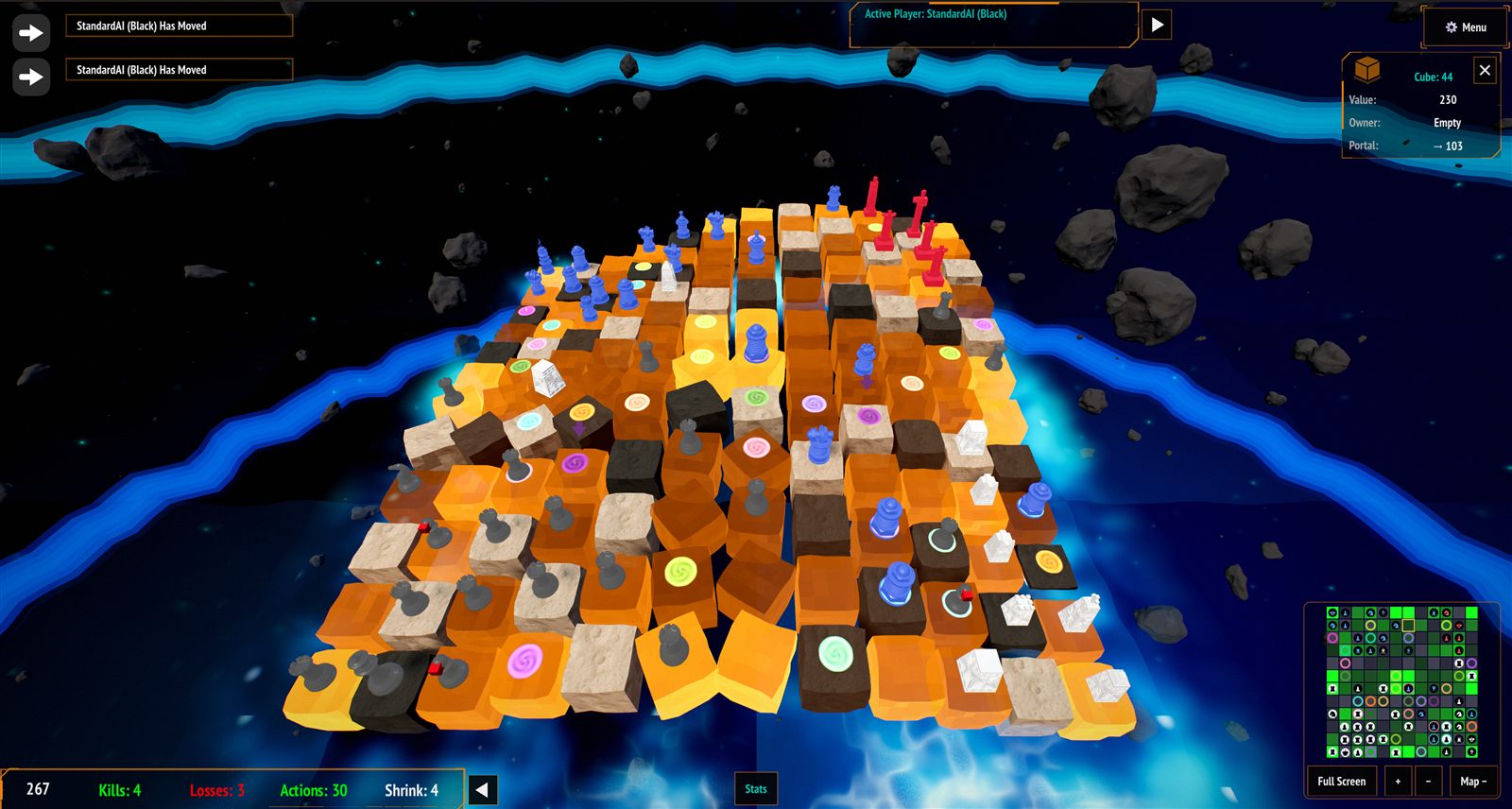
You already know how to play.
Every piece moves the way it always has. Nothing to relearn, no new notation, no twenty-minute explanation before the first game. If you've played chess, you can sit down and start.
A few of the old rules don't survive four-way play. Pawns are the main one: with armies in four corners of the board there's no "forward" any more, so they go wherever they like — which also does away with en passant. There's no castling either; your king has work to do out on the board, not a corner to hide in.
That's the last easy part.
Bring an army, or build one from nothing. Set up a full line if you want the fight you're used to. Or start with a single king and buy every piece that comes after, one at a time, as you can afford them.
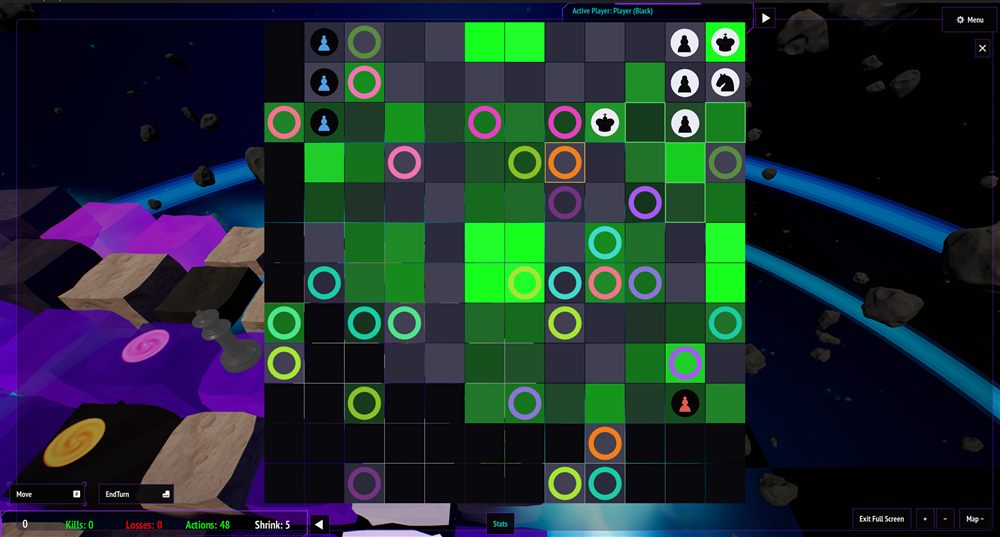
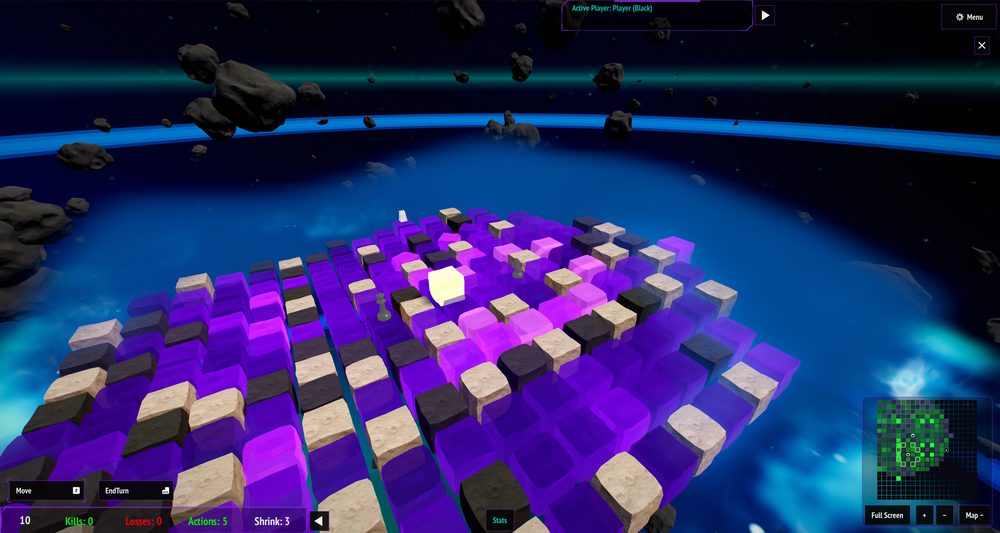
The ground is worth money. Every square has coin in it, and your pieces draw on it while they hold position. But it runs dry — so a square you've camped on all game is worth less than the one you haven't taken yet. Sometimes that's still the right place to stand. That's the call you're making.
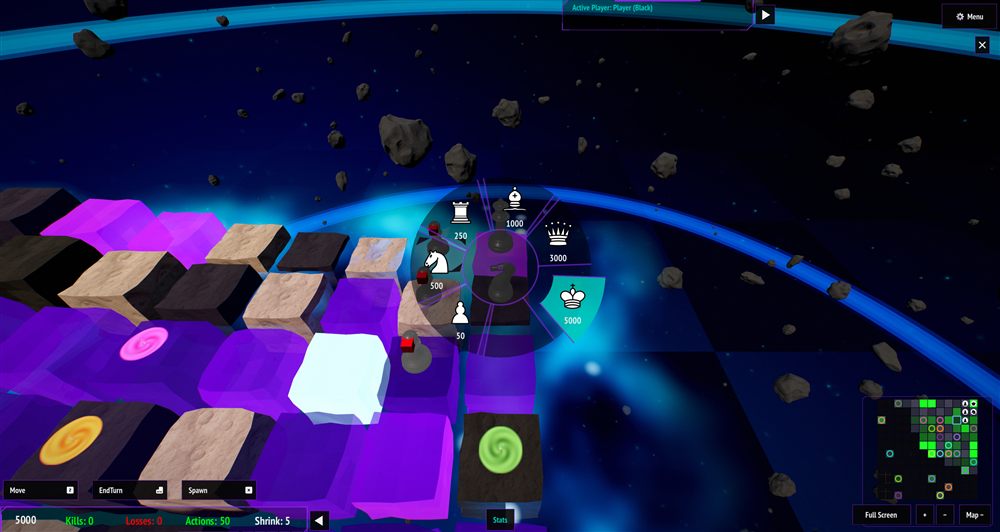
Your king walks toward the fight. He decides where you're allowed to put new pieces, so hiding him in a corner cuts your own production in half. Take a second king and you can build in two places at once. Lose your last one and the army stops growing.
Some squares are mined. You won't know which. Neither will anyone else.
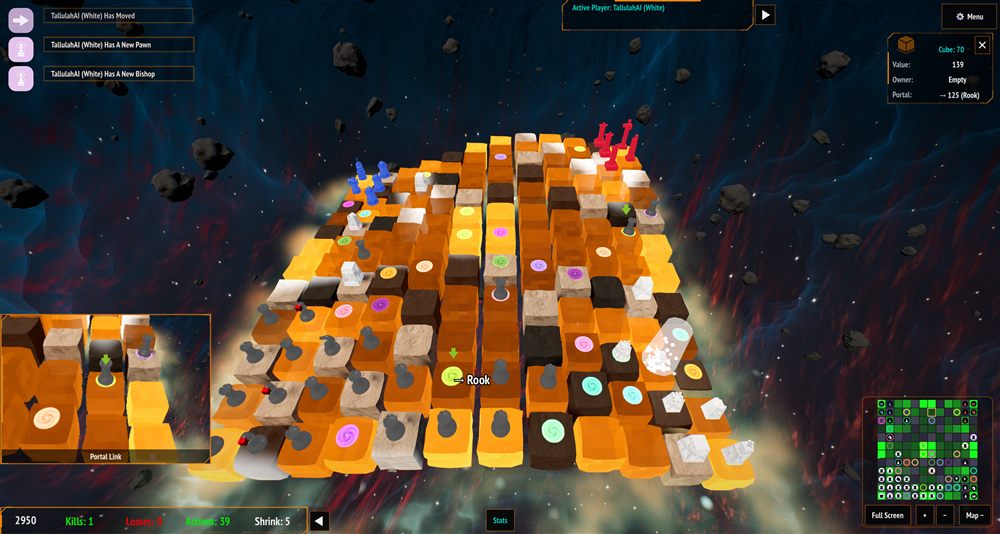
Some squares are doors. Walk into a portal on one side of the board and step out on the other. They work just as well for the people shooting at you.
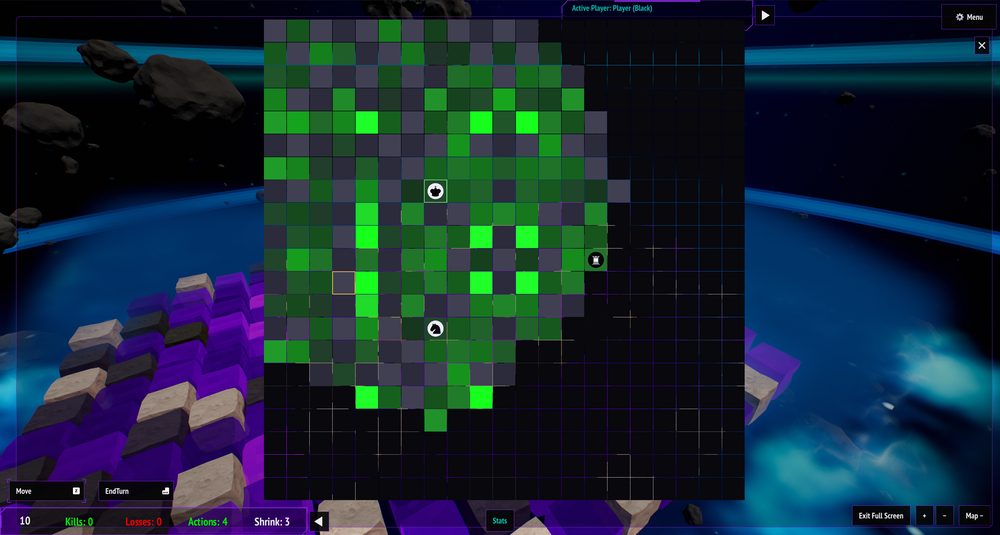
You only see what your army can see. Switch on fog of war and the board goes dark past your own pieces' line of sight — enemy armies included.
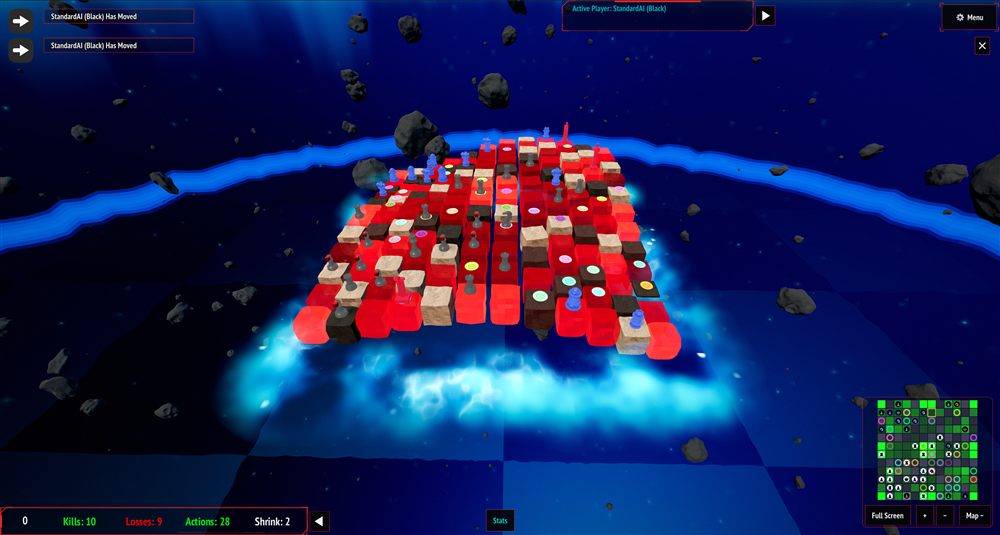
Four commanders, one board, no queue. Play it alone against the computer, pass it round the sofa, or take it online. Four-way free-for-all was in the design from the first day, not bolted on afterwards.
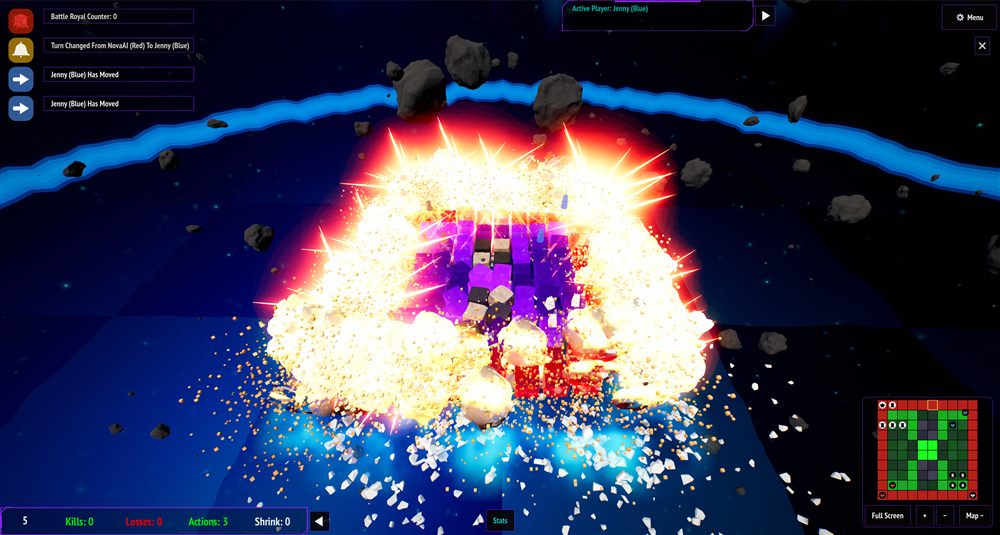
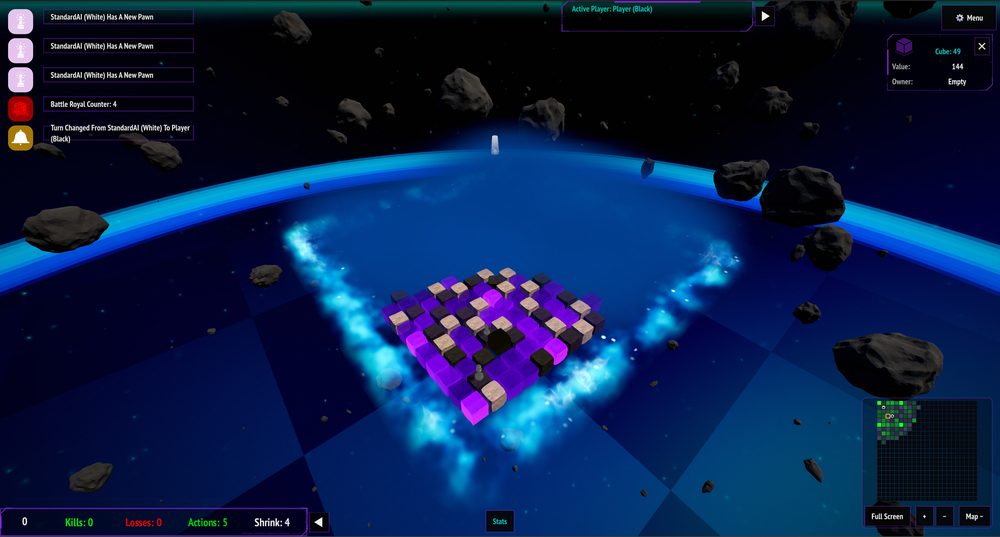
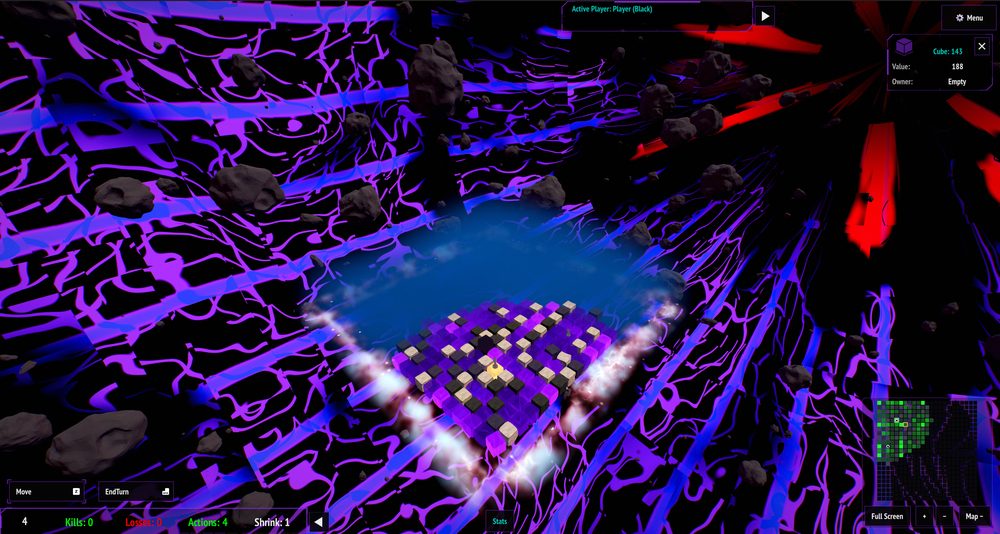
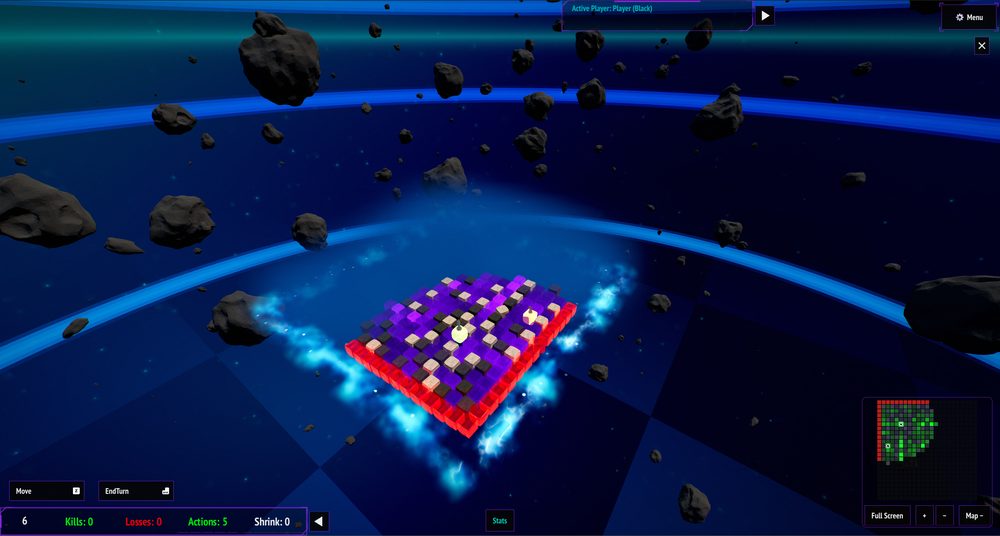
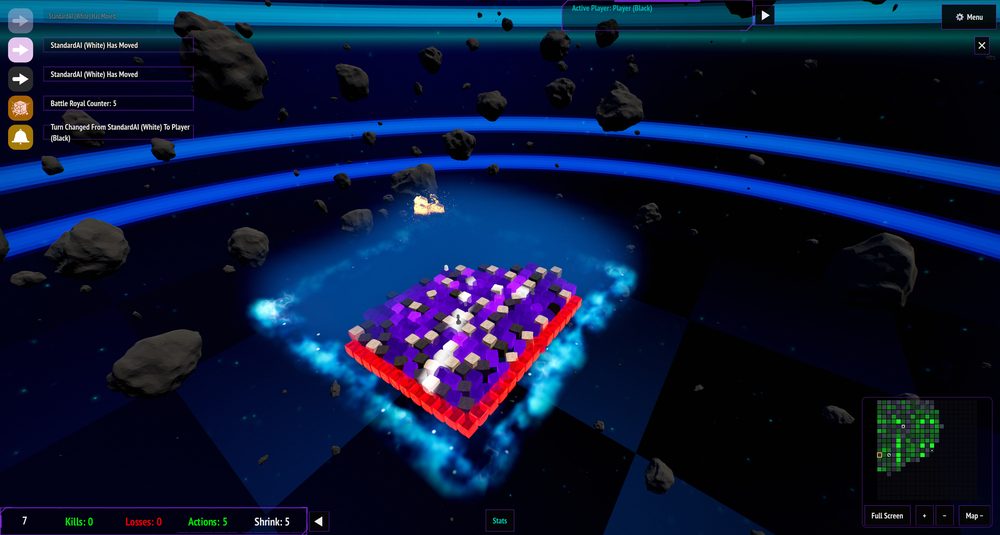
Then the board starts falling apart. Switch on Battle Royale and squares begin dropping away, a few at a time, taking whatever is standing on them. It has ended a four-way game in a single turn. Keep moving.
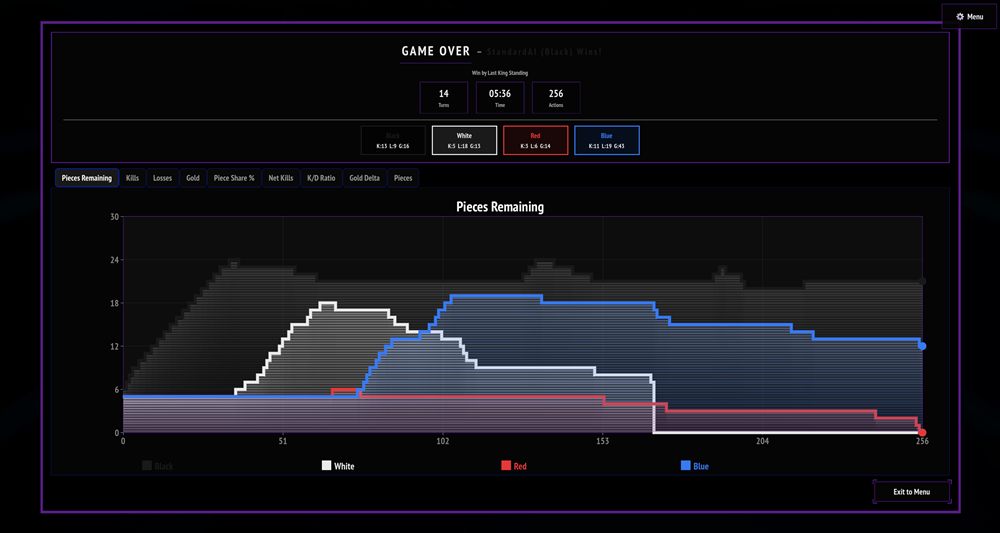
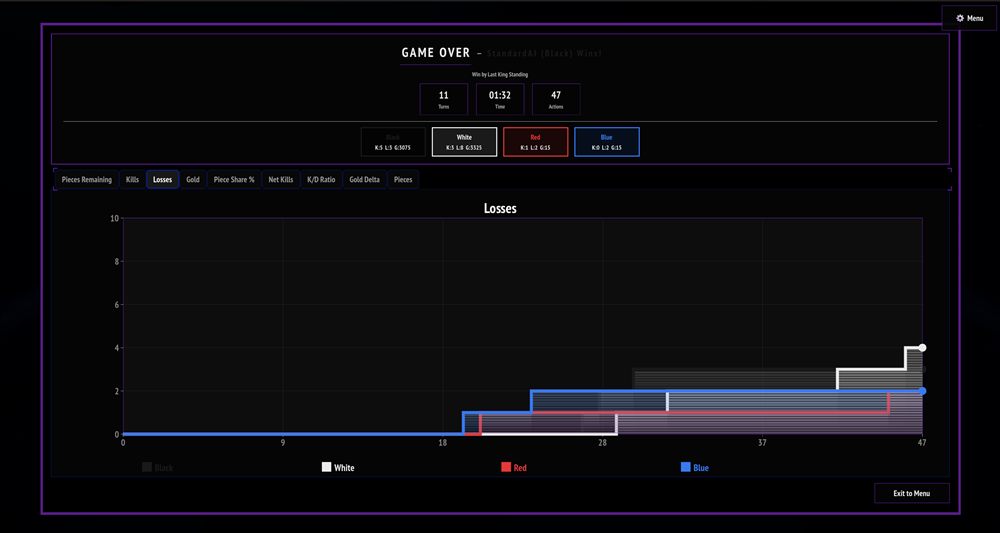
Nobody is safe, kings included. There's no check, no checkmate and no draw. A king can be taken like any other piece, and the game ends when one commander's forces are the only ones still on the board.
Or turn it all down and play something quiet. Almost everything above is a switch.
Never the same battlefield twice
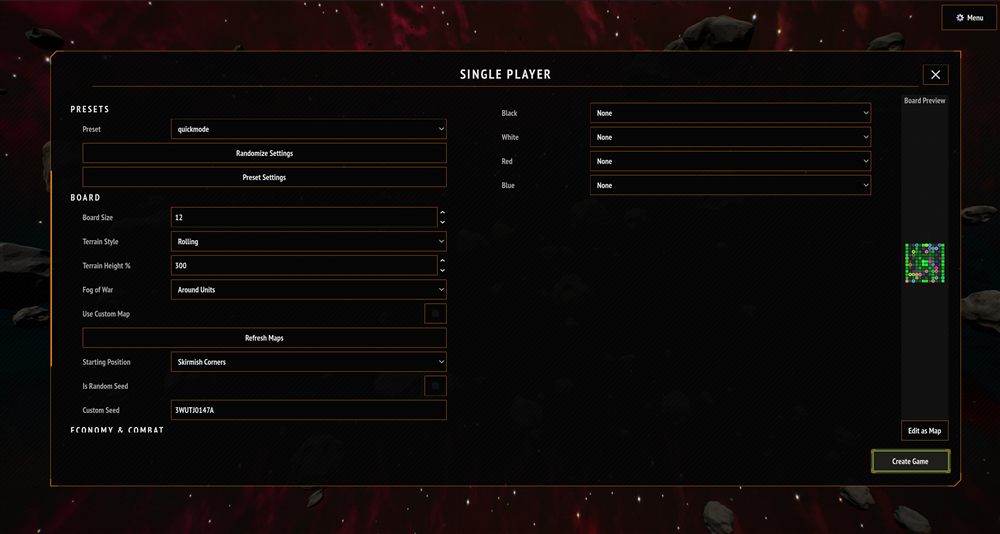
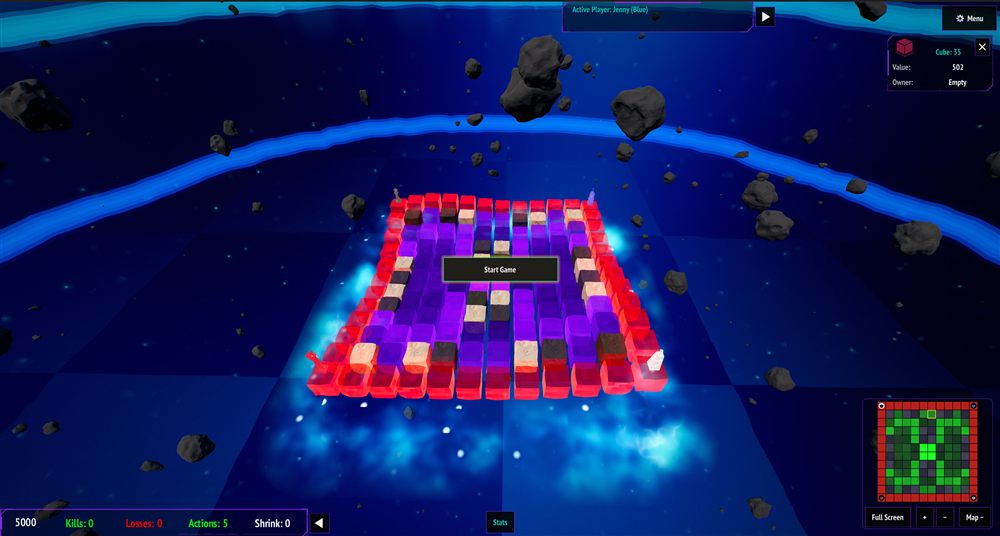
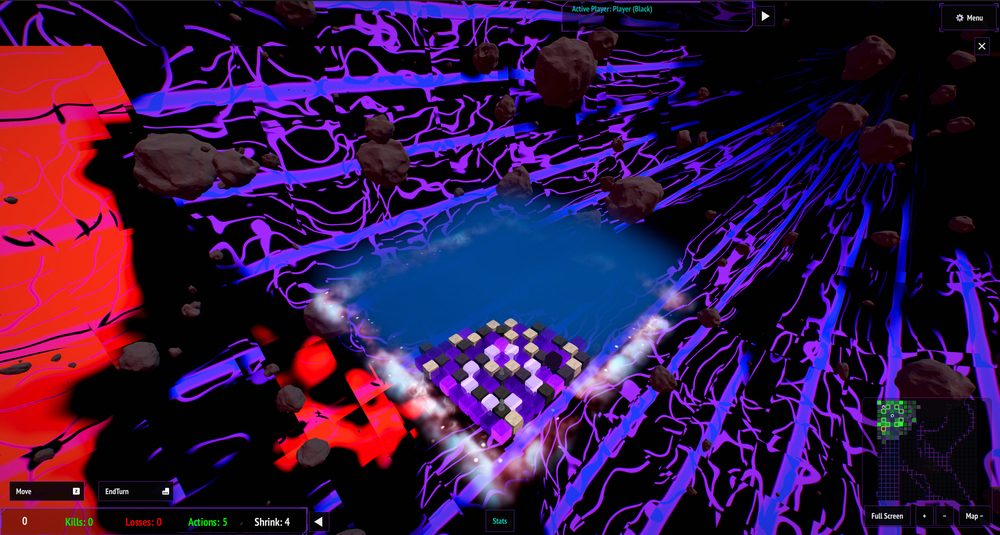
Type in a word and it builds you a battlefield. Hills, treasure, mines, portals — all of it laid out from whatever you typed. Type the same word again and you get the same battlefield back, exactly, so you can send a friend one word instead of a file and know you're both fighting on the same ground.
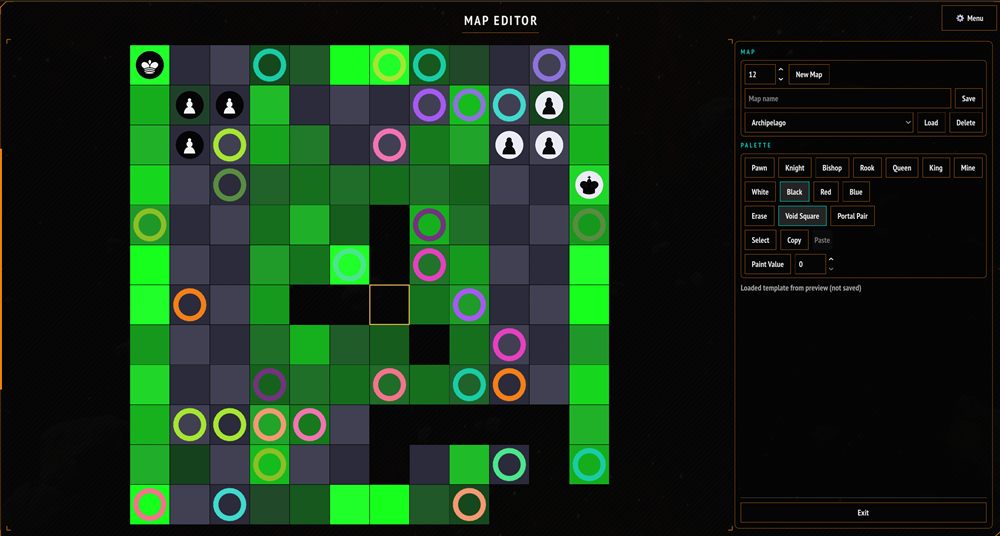
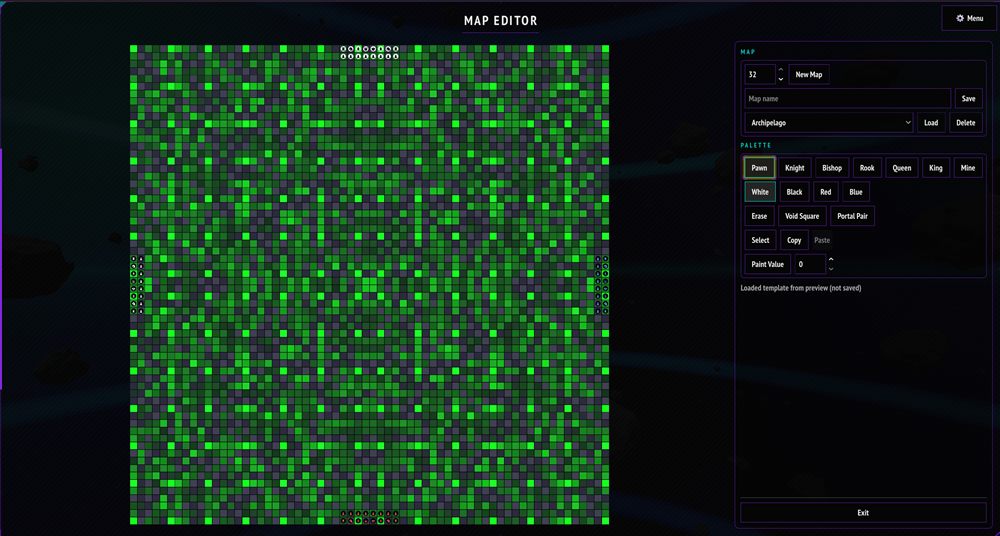
Don't like it? Look before you commit. Every battlefield gets a preview before the first move, and you can throw it straight into the map editor and move things around by hand — or start with bare ground and build the whole thing yourself.
Choose who turns up. Pick exactly which pieces are allowed in the game. An army of nothing but knights is a perfectly reasonable decision, and we're not going to talk you out of it.
Then make them yours. Sculpt and paint your own pieces in the piece designer and save the set, so your army doesn't look like anybody else's.
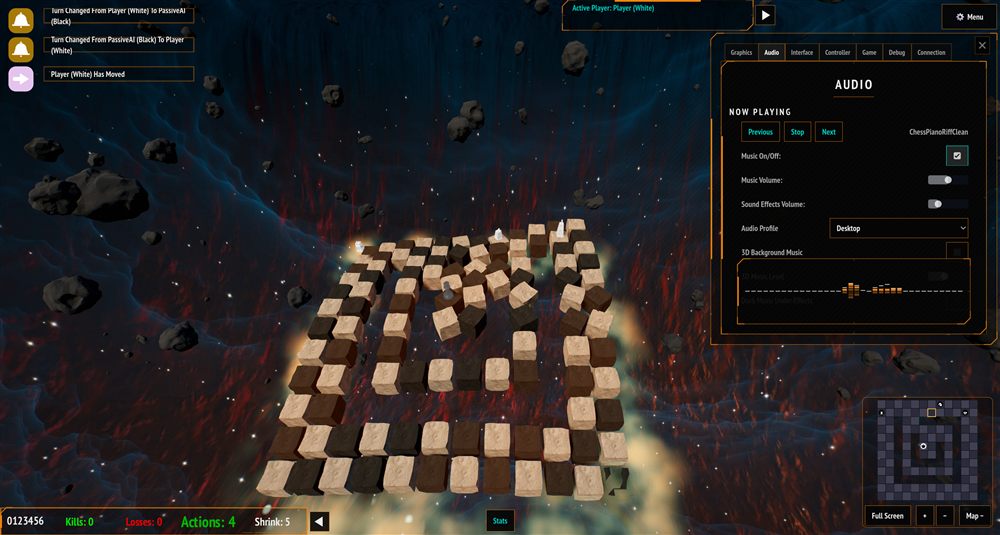
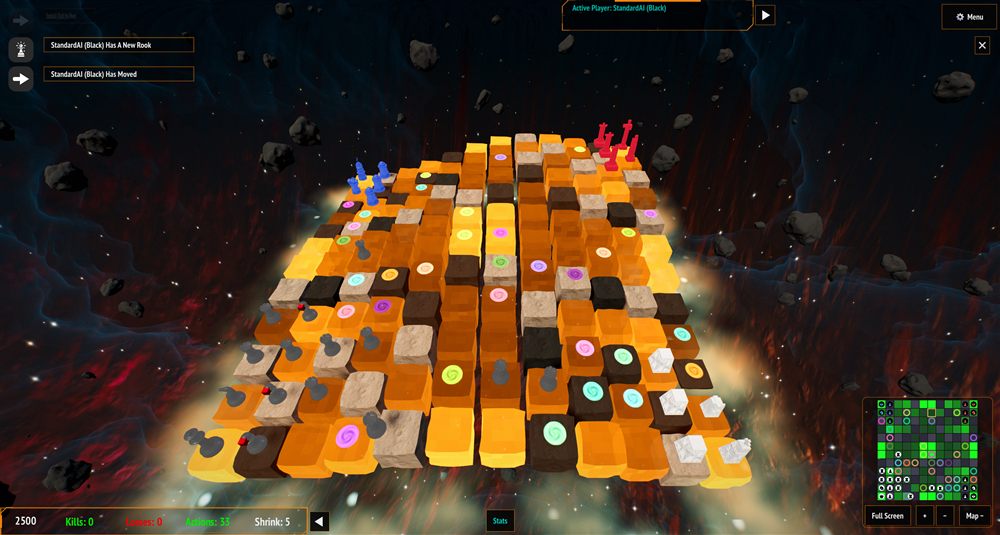
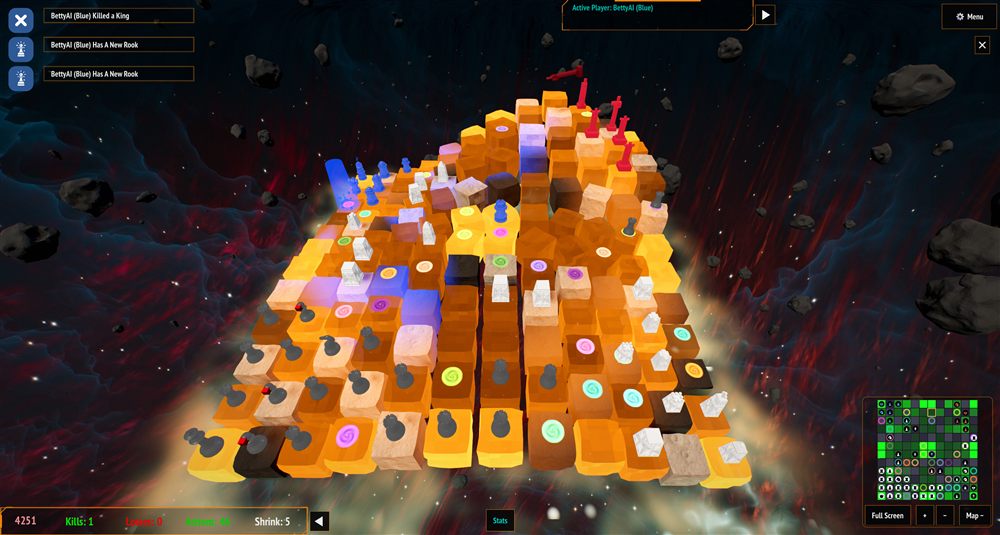
Screenshots
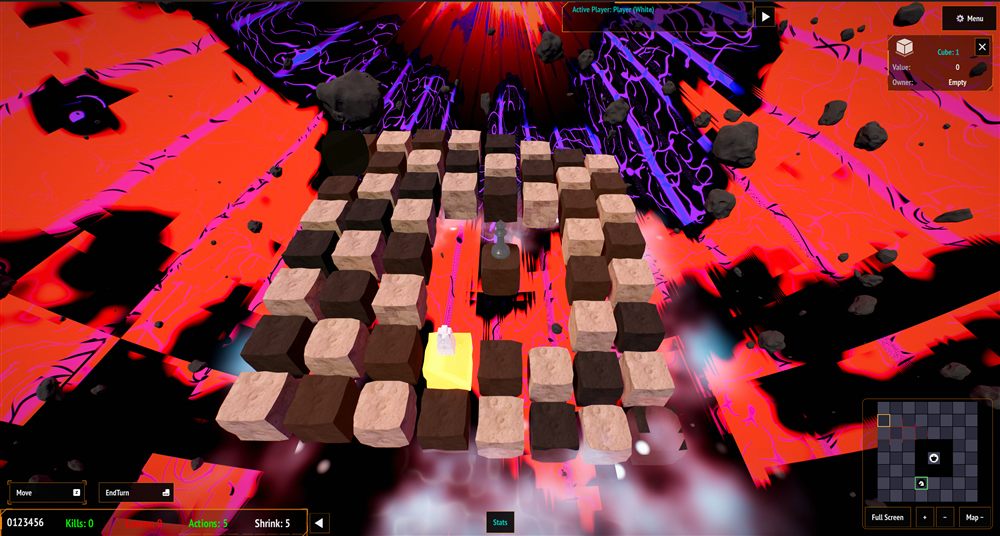
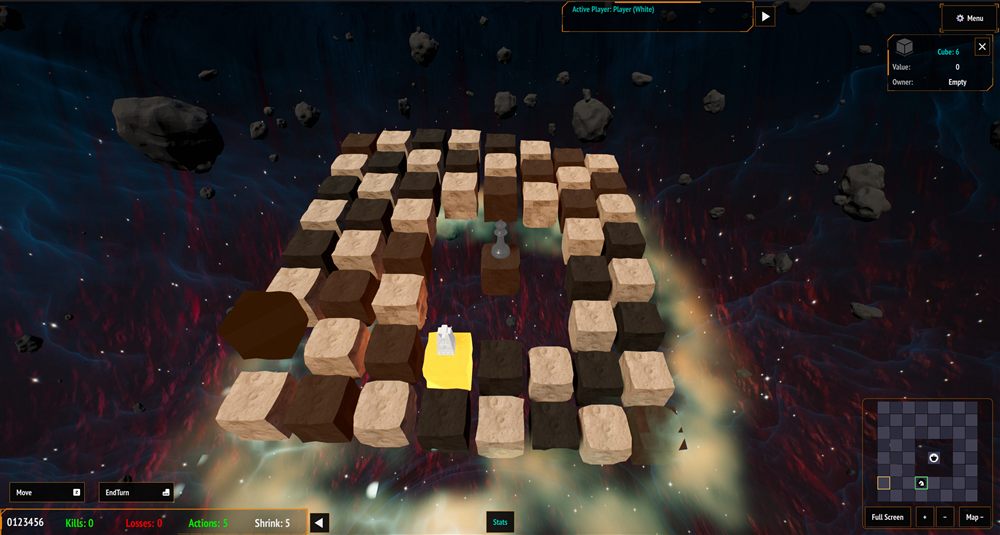
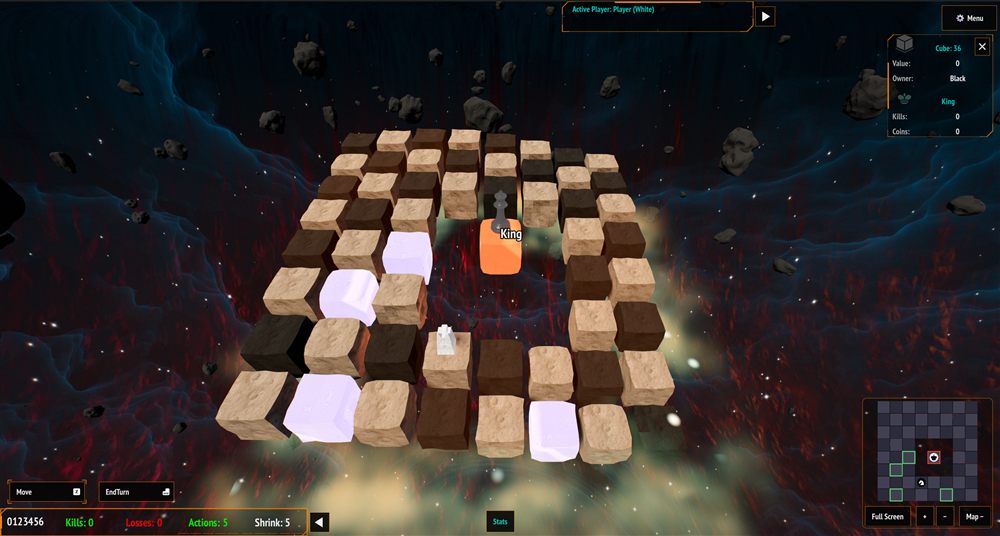
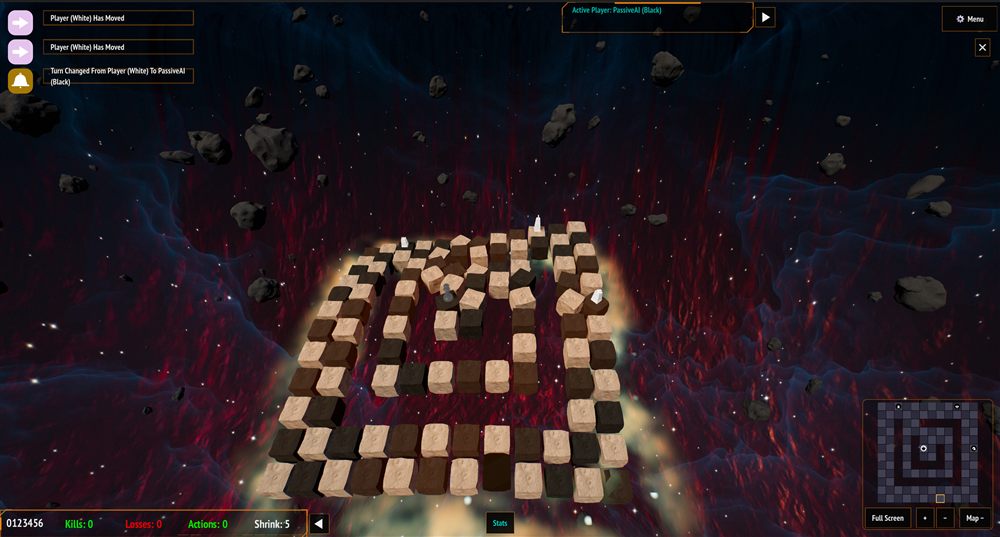
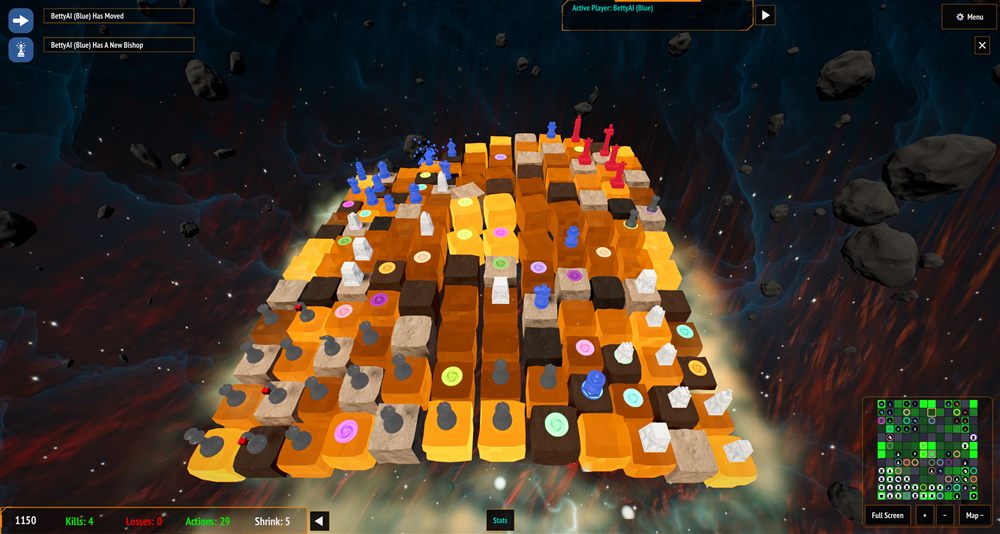
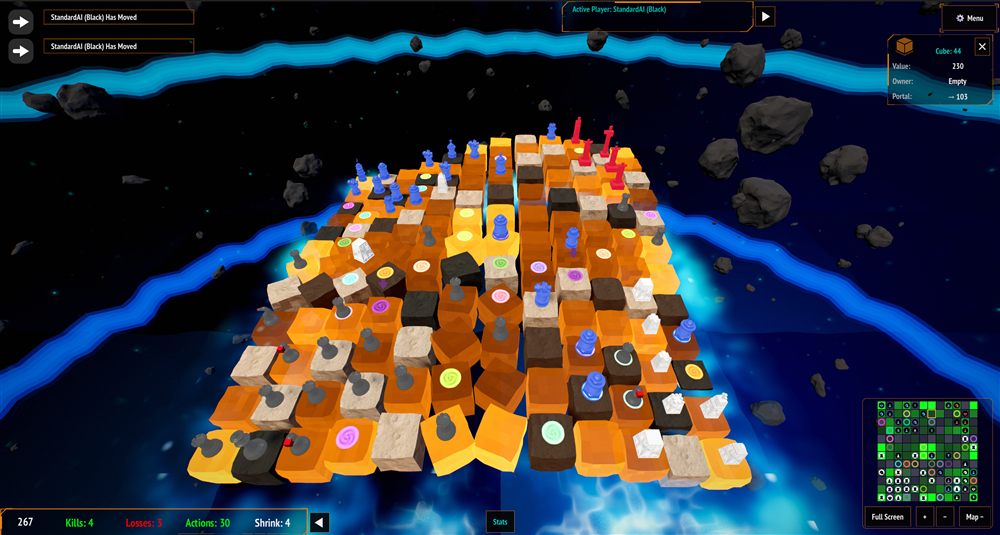
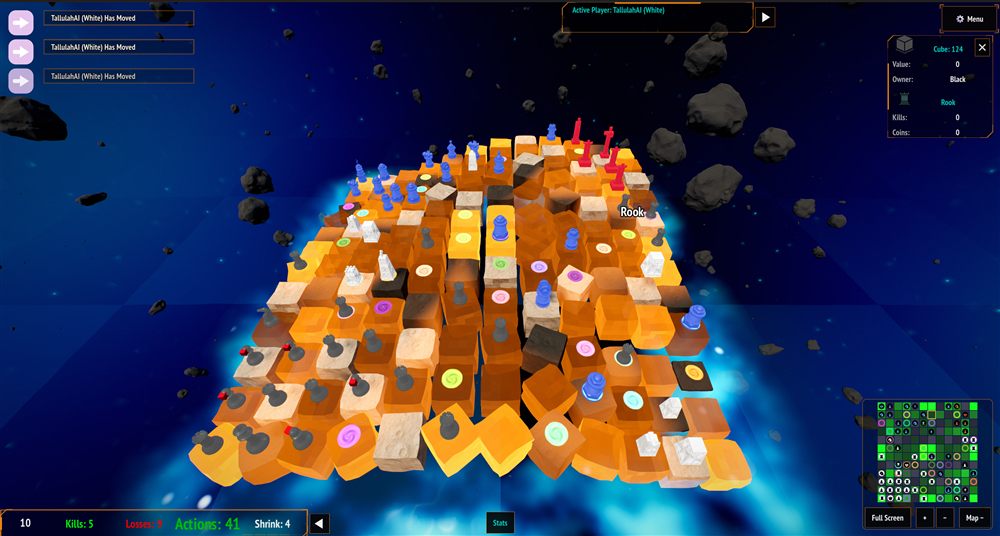
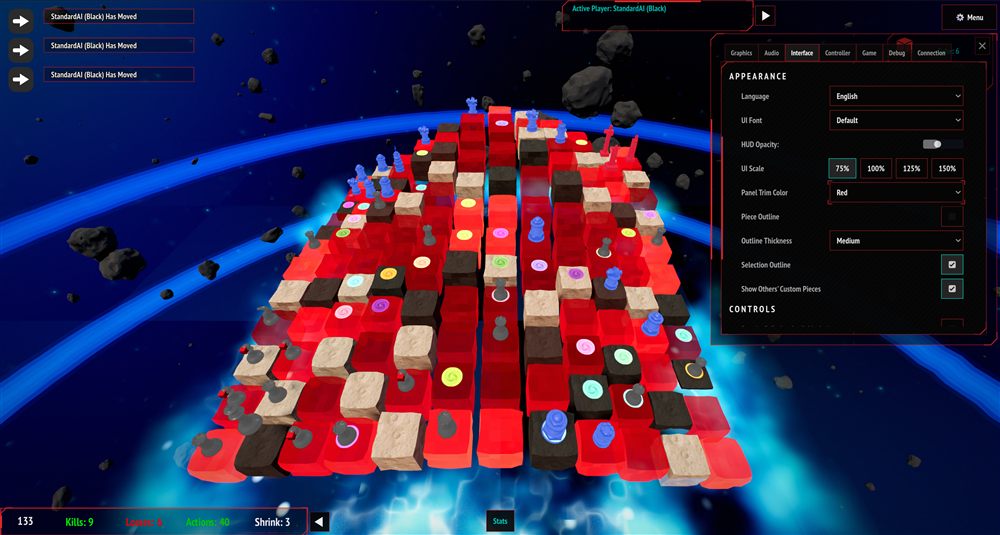
Where it's at
Chess Force Armada is in polish, not development — everything on this page is built and playable. This is the road to release.
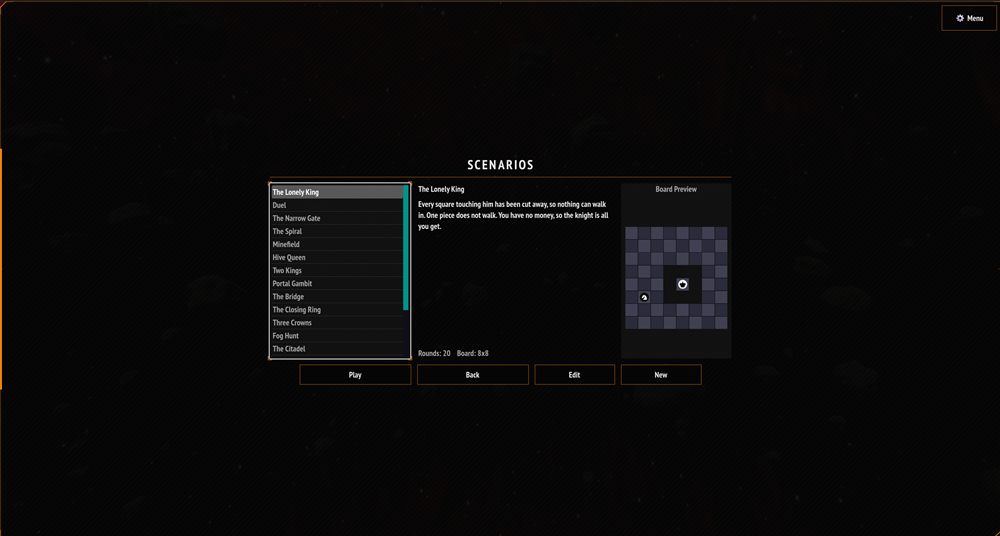
Now. A consistency pass over every menu and screen. Finishing the built-in tutorial. The piece customisation menu. A full testing sweep. And scenarios — set-piece battles with fixed objectives, already playable and being rounded out.
Next. Setting up the Steam store page, then release.
Later, after release. A scenario editor in players' hands — build and share your own battles and maps. Sharing custom piece sets. And a mobile build; it already runs on Android.